- Civil szervezet
JMP
Global monitoring and data custodianship for water, sanitation, and hygiene.
Bemutatkozás
The JMP, established in 1990, maintains an extensive global database comprising over 5,000 national data sources. Its team consists of five full-time professional staff and two part-time administrative assistants, supplemented by short-term consultants. The program produces reliable estimates of WASH status, trends, and inequalities, and develops new indicators, methods, and standards for enhanced national and global monitoring. It also provides technical advice and guidance to countries, and builds partnerships to integrate new data sources and analyze interlinkages between WASH and related Sustainable Development Goal targets.
Hivatalos adatok
Név, adószám, cégjegyzékszám, alapítás, létszám, legutolsó árbevétel és státusz – nyilvános webes forrásokból, néhány másodperc alatt.
Szolgáltatások, tevékenységek
- Maintenance of global databases on drinking water, sanitation, and hygiene
- Production of national, regional, and global estimates on WASH progress
- Development of indicators and methods for WASH monitoring
- Provision of technical advice and guidance for WASH data collection and analysis
- Publication of global updates, regional snapshots, briefing notes, thematic reports, and technical documents on WASH
- Monitoring of WASH in households
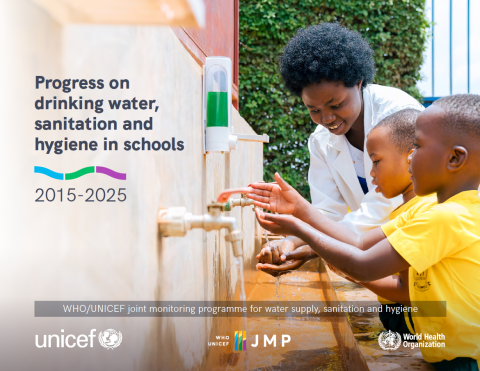
- Monitoring of WASH in schools
- Monitoring of WASH in healthcare facilities
- Monitoring of water quality
- Monitoring of open defecation
- Monitoring of safely managed on-site sanitation
- Monitoring of hygiene
- Monitoring of menstrual health
- Monitoring of inequalities in WASH service levels (sub-national regions, wealth quintiles, affordability, gender)
- Monitoring of climate-resilient WASH
- Facilitation of country consultation on WASH data
- Support for SDG monitoring related to WASH targets